


Why Choose us
Linyi Boyou Ceramics Co., Ltd. was established in 2017 and has gone through seven years. It is based in Luozhuang, Linyi, China, a famous ceramic production base, and has expanded from an initial team of 2 people to a team of 30 people now. We specialize in producing Ceramic Coffee Bowl with Lid, Gold Line Bowl Set, Noodle Bowl Deep, New Bone China Bowl, Porcelain Soup Bowl, Ceramic Decal Bowl, Ceramic Embossed Bowl, Marb Bowl with Gold Rim, and other Bowl.
Products Sell Well
Our company's products are widely exported to countries in Europe, Africa, the Middle East, Southeast Asia and South America, and have been widely praised.
Real Factory
We have 9000 square meters' modern standard plants, two mechanical production line, more than 600 staffs, our daily output reaches 160 thousand, and our production value could sum up to 120 million annually.
OEM & ODM Available
We support the customized logo, size, color, according to your requirements.
Rich Experience
Our manufacturing techniques, including freehand line, decal, pad printing, glazing, embossing process are quite mature.


What is Opal Glass Bowl
A bowl is a typically round dish or container generally used for preparing, serving, storing, or consuming food. The interior of a bowl is characteristically shaped like a spherical cap, with the edges and the bottom forming a seamless curve. This makes bowls especially suited for holding liquids and loose food, as the contents of the bowl are naturally concentrated in its center by the force of gravity. The exterior of a bowl is most often round, but can be of any shape, including rectangular. If you want to know the specifications and prices of Opal Glass Mug, please contact us!
Advantages of Opal Glass Bowl
They Help Control Portions
Choosing a bowl, your food looks condensed instead of spread out as if it was on a plate and, therefore, makes it seem like you have more food. You can also choose the bowl size depending on how hungry you are.
Large plates can skew your perception of how much food you actually have on your plate. On the contrary, by using smaller bowls and plates, you are more susceptible to reducing the amount of food you put on your plate.
They Help Create a Balanced Meal
Sometimes it is hard to create a meal that is 1. filling and 2. beneficial to your body. I like to build my bowl with whole grains, roasted veggies and an egg. The great thing about adding an egg to the bowl is that the yolk takes the place of any additional sauce or dressing (yay for cutting calories).
They Are Aesthetically Pleasing
Eye appeal is half the meal, and they weren't wrong. It's important for a dish to not only taste good but to be colorful too. Brightly colored fruits and vegetables are the keys to eating healthy.
They Minimize The Number Dirty Dishes
People these days are always trying to figure out ways to minimize the number of dirty dishes, but still create a delicious meal. Bowls are the perfect solution to this problem. There are so many recipes out there, just waiting to be tried.
If you've ever eaten a salad without making a mess on the table then props to you. Some of us, myself included, have trouble keeping the lettuce on the plate and need a bowl to prevent this spillage.
Difference Between Cup and Bowl
Application
First and foremost, cups are primarily designed to hold liquids such as water, tea, coffee, and other beverages. They are typically taller than they are wide and come in a variety of shapes and sizes. Some cups may also have handles to make it easier to hold and drink from, while others may not. Cups are generally used for drinking, but can also be used to hold small amounts of food such as soup or ice cream. Also note that there is a difference between cups and mugs.
On the other hand, bowls are designed to hold food, specifically solids or semi-solids such as cereal, soup, salad, pasta, and so on. They are generally wider than they are tall and have a flat base. Bowls come in a range of sizes, from small dessert bowls to large serving bowls. Unlike cups, most bowls do not have handles, as they are not meant to be held while eating.
Difference in Shape
Another significant difference between cups and bowls is their shape. Cups are usually cylindrical or conical in shape, with a narrow opening at the top. Bowls, on the other hand, can have a wide variety of shapes such as round, oval, square, or even asymmetrical. The shape of the bowl often depends on the type of food it is meant to hold.
Difference in Material
When it comes to materials, both cups and bowls can be made from a wide variety of materials such as glass, porcelain, ceramic, plastic, and even metal. However, certain materials may be more suitable for certain uses. For example, ceramic cups are great for hot beverages as they retain heat well, while plastic cups are often used for outdoor activities due to their durability and lightweight.
While cups and bowls may seem similar, they have distinct differences that make them suited for different purposes. Cups are primarily designed to hold liquids, while bowls are meant for solid or semi-solid foods. The shape and size of cups and bowls also differ, as does the materials used to make them. Understanding these differences can help you choose the appropriate tableware for your needs.
Opal Bowl Vs Ceramic Bowl
To begin with, let us understand their composition. While Opalware Bowl are made from toughened tempered glass, they are much stronger, chip and scratch resistant than regular glass. Ceramic Bowl on the other hand are made from fired clay and while they are much heavier compared to opal ware, they are not as sturdy as the latter. Dinnerware made from both materials are very popular today but they are very different in nature and appearance.
Opalware Bowl are sleek in design, lightweight and have a pristine white finish with delicate designs that add to their appeal. Ceramic dinner sets on the other hand are heavier and much thicker in style and have a raw and rustic finish which adds to their charm.
Ceramics Bowl may seem very beautiful and aesthetic, but they are not the choice you should make for everyday usage, as they need careful handling and care as compared to opal ware dinnerware, which is perfect for everyday usage and looks just as delightful for formal events. Opalware can be easily cleaned in the dishwasher without worrying about the patterns fading in the long run, and can also be stacked on top of each other for maximum utilisation of your kitchen's storage space.
Manufacture non-porous dinner sets that are bacteria-free and do not let any chemicals leach into the food? Well, it's not just that, because they are also the most hygienic choice, being 100% vegetarian and bone-ash free. During their manufacturing, they are recrystallised and instantly cooled at various temperatures so that they don't crack with temperature fluctuations, which means that they are also microwave friendly- a must for every kitchen!
It is hard to miss that ceramics retain the temperature, especially heat, better, but one cannot ignore that the weight of their dinnerware not only takes up much more space in the kitchen and need to be stored delicately, but they may also cause strain and discomfort while handling them.
Have you noticed stains on ceramic dinnerware? Well, they aren't uncommon because if ceramic is not evenly and consistently glazed, it is highly prone to retaining stains from the food, which not only discolours them and makes them lose their aesthetic appeal, but is also not hygienically healthy and suitable for use in the long run. Contrary to ceramics are opal ware dinner sets which do not absorb any stain or odour at all, so you can rest assured that the dishes remain just as clean and fresh as the next meal being served in them.
Opal glass is just as affordable as it is functional and with the added benefit of its longer-lasting durability than most ceramic dinner sets, opal ware dinner sets are the profitable choice to make.
Therefore, in light of opalware's properties, it is safe to say that it is the more hygienic construction of naturally sorted materials and is healthier than its competitors. Its nature of being resistant to scratches, chips and even breaks to a certain extent, opal ware keeps your food free from contamination. It is just as versatile and durable as it is beautiful and elegant, perfect for all occasions.
What Foods Can be Served In Bowls


Chicken Sesame Noodle Bowl
Noodles, like much Asian food, are ideally served in bowls: they're a foodstuff made to be combined with a plethora of ingredients for a powerful punch of flavour. This classic dish does just that, blending garlic, ginger, rice vinegar and chilli with sesame seeds, carrots, cucumber and pan-fried chicken. The result is poultry perfection. Check out the recipe here.
Seafood and Chicken Paella
Like noodle bowls, rice bowls are especially bowl-friendly. This popular Spanish rice dish can be produced in huge quantities in large skillets before being served into individual bowls. This recipe blends diverse textures with its inclusion of chicken and seafood – namely mussels, cockles and prawns – along with a sharp, chorizo-shaped kick. Here's the recipe.
Pappardelle with Beef Ragu
There's nothing new about serving pasta in a bowl – which is why it's called a "pasta bowl". This warming dish is the definition of comfort, with its base of long, broad pasta, brought to life by a delicious Italian ragu of beef and mixed mushrooms (shiitake, button and cremini would do just fine). Bowls could do a lot, lot worse. Find the recipe here.
Lentil Curry Bowl
This veggie bowl is of the hearty and spicy, Indian-based genre, with plenty of protein to boot. Eastern ingredients help warm the dish, with coriander, cashew nuts and curry paste playing a prominent role. Carrots roasted with chilli and garam masala add yet more yummy sustenance, and all is served atop basmati rice. Bowl guests over with this recipe.
Quinoa Power Bowl
Staying on the meatless theme, this power bowl – super bowl, if you will – gets its name from the so-called "power foods" that boost general health enhancement. The salad bowl packs in heaps of fibre with crunchy cabbage, onions, sweet potato and almonds to add to the quinoa base. An almond-butter dressing with a tangy lime kick tops it off superbly. Feel the power with this recipe.
Baked Egg and Sweet Potato Bowl
This bowl dish is technically a ramekin dish, prepared in the smaller bowl that'll allow for baking at high temperatures. Ideal for guests in their individual, personal-size portions, these bowls are filled with sweet potato, tomatoes, onions, chilli and garlic, and topped with a cracked egg. They'll bake in 15 minutes, resulting in a snug and nourishing bowl of food. Here's the ramekin recipe.
Spicy Fish Taco Bowl
This Mexican-inspired taco bowl is another healthy choice, proving that healthy and flavourful are not incompatible. Tilapia (or a similar fish) is rubbed with chilli, cumin and cayenne, blackened and shredded. It's then combined with avocado, corn, black beans, brown rice and red pepper, and combined to make a dish that defines the idea of bowl food: mixing distinct ingredients to create a unified, delicious whole. Try the recipe here.
Ginger-Berry Smoothie Bowl
Breakfast in a bowl is not limited to cereal. For this smoothie bowl recipe, we've combined beautiful strawberries and beets. Bonus: The berries, beets, and ginger can help reduce inflammation.
Hot Grains Power Bowl
Sure, oatmeal is always served in a bowl. But this recipe is so much more filling than the typical version. Multigrain hot cereal combined with carrots and dried fruit takes plain oatmeal almost to the level of carrot cake. We use almond milk to keep the dish nondairy, but you can use whatever you like.
Burrito Bowls
Considering how delicious these burrito bowls are, the kids will never know you swapped the rice for cauliflower rice. The toss-together one-dish dinner is an easy, low-carb meal anyone can enjoy by adding their favorite toppings. And if you've got leftovers on hand, you can add pork loin or chicken.
Prepare the Dishes for Washing on the Sink
Scrape any leftover food into the trash or compost bin. Use a rubber spatula on nonstick cookware and any other dishes that might scratch.
Then pre-rinse or soak the dishes with hot water and a few drops of dish soap to remove any loose food particles. Remember not to mix greasy and non-greasy dishes, as this will make it difficult to remove the grease.
Soak Dishes With Stubborn Stains
Make sure the pans or pots have cooled down before putting them in the sink. You may use warm water or a pan degreaser to make things easier for heavily soiled items. You can put those aside while they degrease and begin with lightly soiled items.
To do so, add a teaspoon of Natural Dish Soap to your plugged sink, dishpan, or a larger piece of cookware. Fill with hot water, place your dishes in the solution, and soak for 15-30 minutes. Afterwards, drain the sink, refill with hot water, and another teaspoon of dish soap.
Wash Dishes From Lightly Soiled Glasses To The Dirtiest Pans
There is a proper order for washing the dishes. You may start with the least soiled ones like glassware, then plates/bowls and flatware. The pots and pans go last on the list as they are the hardest to complete.
A dishwashing brush and a silicone brush are preferred tools along with your favorite dishwashing soap to clean. You can also use a sponge but keep in mind to regularly replace it to avoid harboring germs and bacteria.
Rinse Thoroughly
Rinse the dishes thoroughly, if possible, with warm water for a much easier rinse.
If you have a dual sink basin, rinse off the suds as you go. Using lukewarm water, pass the item under the aeration setting on your faucet.
As your hands move around the item, make sure to inspect it for any remaining particles or if it still feels greasy. Turn them over a few times to ensure that all surfaces (especially interiors) are thoroughly clean.
Before setting dishes on the dish rack or wiping them with a towel, shake to remove excess water.
Dry Them Up Before Storage
The most common method here is air drying on a dish rack. We also like using our luxe microfiber towels to absorb residual water, especially from glasses and silverware (which can become spotted or filmed as they air dry). If your towel becomes damp or dirty, simply switch to a new, dry one.
Store in a Cool, Dry Place
Once you're done wiping the dishes, store them in your cabinet or cupboard away from insects and pests.
When you're finished washing your dishes, rinse and wipe down the sink or dishpan with a disinfecting surface cleaner. Rinse and shake out the water in your dish scrubber. Finally, throw your dishrags and microfiber towels in the washing machine.
Clean and Dry Your Sink
Once the dishes are dried and put away, don't forget to completely dry off your sink and disinfect the area if needed.
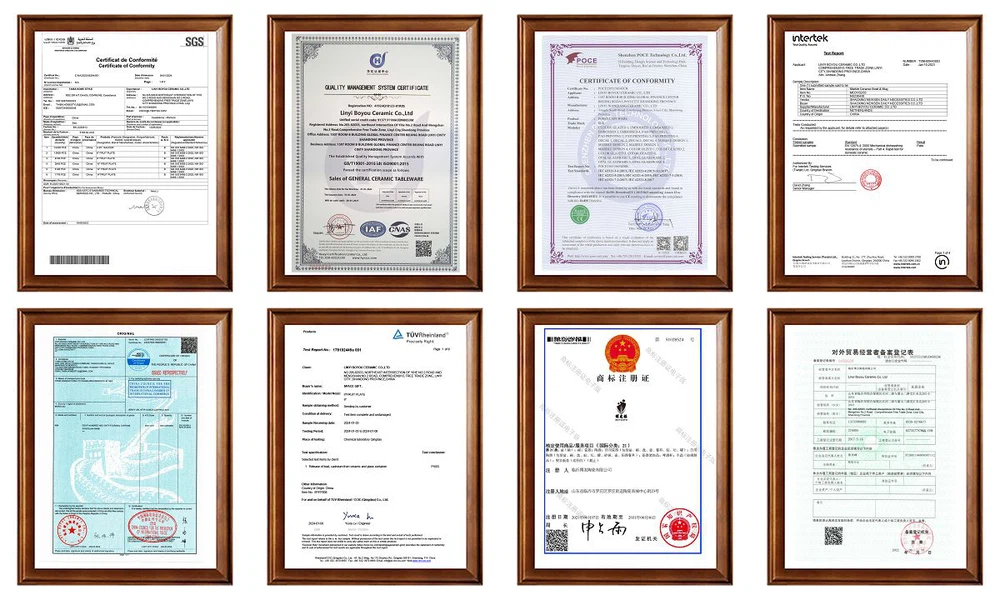
Certifications
Our Factory

Frequently Asked Questions
We're professional opal glass bowl manufacturers in China, specialized in providing high quality products and service. We warmly welcome you to wholesale opal glass bowl made in China here from our factory. For price consultation, contact us.
Opal Glass Oval Plate, Opal Glass Decal Bowl, Opal Glass Flat Plate