


Why Choose us
Linyi Boyou Ceramics Co., Ltd. was established in 2017 and has gone through seven years. It is based in Luozhuang, Linyi, China, a famous ceramic production base, and has expanded from an initial team of 2 people to a team of 30 people now. We specialize in producing Ceramic Coffee Bowl with Lid, Gold Line Bowl Set, Noodle Bowl Deep, New Bone China Bowl, Porcelain Soup Bowl, Ceramic Decal Bowl, Ceramic Embossed Bowl, Marb Bowl with Gold Rim, and other Bowl.
Products Sell Well
Our company's products are widely exported to countries in Europe, Africa, the Middle East, Southeast Asia and South America, and have been widely praised.
Real Factory
We have 9000 square meters' modern standard plants, two mechanical production line, more than 600 staffs, our daily output reaches 160 thousand, and our production value could sum up to 120 million annually.
OEM & ODM Available
We support the customized logo, size, color, according to your requirements.
Rich Experience
Our manufacturing techniques, including freehand line, decal, pad printing, glazing, embossing process are quite mature.


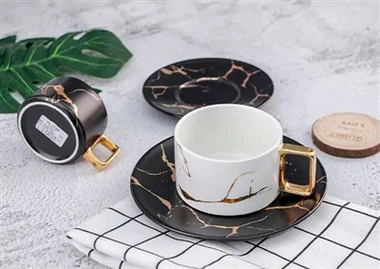
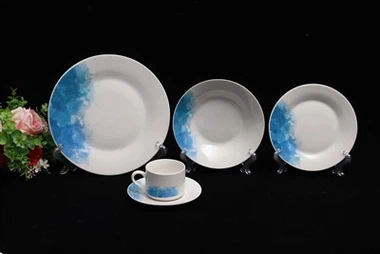

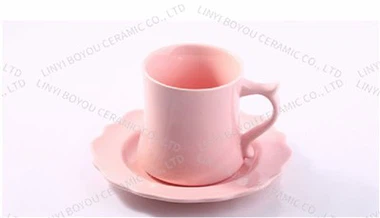

What is Cup and Saucer
The saucer is useful for protecting surfaces from possible damage due to the heat of a cup, and to catch overflow, splashes, and drips from the cup, thus protecting both table linen and the user sitting in a free-standing chair who holds both cup and saucer. If you want to know the specifications and prices of Cup and Saucer, please contact us!
Advantages of Cup and Saucer
Symbol of Elegance and Tradition
In the world of tea culture, saucers play a pivotal role in enhancing the overall experience of tea time. They have long been associated with elegance, refinement, and tradition, adding a touch of sophistication to the act of sipping tea. From a visual perspective, saucers provide a beautiful contrast to the cup, creating a harmonious and aesthetically pleasing arrangement. Additionally, saucers offer a practical function by catching any drips or spills, preventing them from staining surfaces or clothing.
Saucers for Temperature Regulation
One of the key reasons why saucers are indispensable in the art of tea time is their role in temperature regulation. When a cup of hot tea is placed on a saucer, it acts as an insulator, preventing the heat from escaping rapidly. This allows the tea to remain warm for a longer period, allowing tea enthusiasts to savor each sip without the worry of it turning cold too quickly. Furthermore, saucers also offer a convenient way to hold the cup without burning one's fingers, creating a comfortable and enjoyable experience.
Saucers for Tea Tasting and Aroma Appreciation
Saucers also play a crucial role in tea tasting and aroma appreciation. When pouring tea, the liquid often spills into the saucer, allowing it to cool slightly and release its fragrance. By lifting the saucer to one's nose, the delicate aromas can be fully appreciated before taking a sip. This practice is particularly prevalent in tea ceremonies and formal tea tastings, where the aroma of the tea is considered just as important as its taste. Without a saucer, this sensory aspect of tea appreciation would be diminished.
Saucers as a Serving Surface
In addition to their individual benefits, saucers also serve as a convenient surface for serving accompanying items during tea time. For instance, when serving biscuits, pastries, or small snacks alongside tea, the saucer provides a designated space to place these treats. This not only keeps the table tidy but also adds an element of organization and elegance to the overall presentation. Moreover, saucers can be used to hold spoons, tea bags, or sugar cubes, ensuring that everything needed for a perfect cup of tea is within easy reach.
Saucer Options
When it comes to saucers, there are various options available, each with its own unique characteristics. Traditional saucers often feature delicate patterns, intricate designs, and fine china craftsmanship, reflecting the rich history and cultural significance of tea. On the other hand, contemporary saucers offer a more modern twist, with minimalist aesthetics and sleek designs that cater to the preferences of the present generation. While both options have their merits, the choice ultimately depends on personal taste and the desired ambiance for tea time.
Catching Drips and Spills
One of the primary functions of a saucer is to catch any drips or spills that may occur while pouring or sipping tea. This is particularly useful when enjoying loose-leaf tea, which can sometimes leave behind small remnants in the cup. By placing your cup on a saucer, you can prevent any mess from reaching your tablecloth or furniture, ensuring a tidy and stress-free tea time.
Keeping Your Tea Warm
Saucers can also help to keep your tea warm for longer. When you place a hot cup of tea on a saucer, the saucer acts as an insulator, preventing the heat from dissipating too quickly. This is especially beneficial if you prefer to savor your tea slowly or if you find yourself engrossed in conversation during tea time. By using a saucer, you can prolong the enjoyment of your tea without having to constantly reheat it.
Offering a Place for Tea Bag Disposal
For those who prefer tea bags over loose-leaf tea, a saucer provides a convenient place to dispose of used tea bags. Instead of searching for a separate plate or napkin to discard your tea bag, you can simply place it on the saucer. This eliminates the need for additional clutter on your table and makes clean-up a breeze.
Amazing uses of Old Cups and Saucers
Wind Chime
Pretty cool. We're not sure how much this one would chime, but it sure would look lovely outside the house.
Tea Cup Chandelier
Most of these seem to be DIY products, but take a look at Pinterest or Etsy and we are sure you can find one to purchase if this really appeals to you.
Flower Vase
OK, so this is not extremely creative but you have to agree that it looks absolutely fabulous! Especially when used in the Bedroom for when guest arrive in your home. It doesn't take much and really livens up the room doesn't it? We noticed this on the Shabbyfufu Blog. You will find many more ideas there.
The Tea Pot Lamp
It seems like quite an involved DIY project, but you have to admit, it looks absolutely wonderful! Perfect for a Coffee Shop, or maybe a Sunroom where you can relax with a cup of Joe and a good book in those later summer evenings. If you really are interested in creating one for yourself, then take a quick gander here.
Sugar Cup
Cute, effective and no work required. This would work well if you a single cup and saucer of with an antique or classic style that somewhat balanced the other sets that were being used to enjoy the evening tea.
The Icup
I guess it's their take on the iCup? It's designed to keep your Coffee Warm, and connect to your Computer via USB. Kudos on the design. Not sure about the practicality.
Tea Cup Pin Holder
OK, so back to practical uses, here we have a pin holder for those who love to sew. Very neat! DIY and no work really required.
Cake Stand
Really nice, but you better find a good way to keep all of the pieces together, or that lovely cake may not find it's way into the mouths of your Guests. If done right, we are sure it would make for a lovely talking piece for your cake and tea afternoon.
The Tea Cup Planter
Really innovative. This one seems fake, however if you have a green thumb, and maybe love to grow and tend to your Bonsai then this might just add that bit of style to your indoor garden.
Gather All Your Dirty Cups in Your Sink
Be sure to include coffee cups or any other dirty cup that needs a good washing.
Add The Dish Soap And Water
Fill your kitchen sink with very hot water, enough water, that is more than half, but less than to the very top. Add a squirt of dish soap in the water, and on a sponge, and make sure your sponge is wet, with dish soap on it. Put in all the cups into the hot water in sink and start cleaning. Once you are done with the cups, you can wash your plates, cutlery and cooking utensils.
Scrub the cups with a sponge, the handles, the bottom and insides, getting stains off the cup, and also wipe clean the top, where you put your mouth on the cup, for, it is unclean to not wipe the mouth part.
Scrub Extra Hard When Cleaning Coffee Stained Cups in Sink
Coffee stains, and other stains, need some work to get clean, so scrub a little harder, but also let all the cups soak in the hot water longer, for that gets the stains looser, and easier to get clean.
Rinse
Rinse off the soap and water, and make sure you rinse well in very hot water.
Dry Your Dishes
Some people like to buy a rack to hang your cups, so the water drips off the cups. But, if you want your dishes to be done quickly, hang your cups on a rack. When you're done washing all the dishes, wipe the dishes with a cloth towel. You might want to wash your towel after drying the washer.
Put Away Your Clean Cups
Put away your clean cups, and other dishes in a cupboard, or somewhere safe from getting dirty, and where you can grab one with out breaking a cup or other dish.
How to Maintain Your Cups And Saucers


Rinse Your Cup And Saucer Immediately After Use
One of the simplest things you can do to keep your Cup and Saucer clean and fresh is to rinse it immediately after use. This is especially important if you've had coffee or tea, as these beverages can leave behind stains and residue that can be difficult to remove if left to sit for too long. Simply rinsing your Cup and Saucer with hot water and a bit of dish soap can help prevent stains and odors from setting in.
Wash Your Cup and Saucer Daily
The first and most important step in cup and saucer care is to wash your cup and saucer daily. Even if you only use your cup and saucer for hot water or tea, it's essential to wash it every day to prevent bacteria from building up. Use warm, soapy water and a sponge or brush to scrub your cup and saucer thoroughly, paying special attention to the inside of the cup and saucer where stains and odors are most likely to linger. Rinse your cup and saucer thoroughly with hot water to remove all traces of soap.
Use Baking Soda to Remove Stains And Odors
Over time, cup and saucers can become stained or develop a lingering odor that can be difficult to remove with regular dish soap. If you're struggling to get rid of stains or odors in your cup and saucer, try using baking soda. Simply sprinkle a small amount of baking soda into your cup and saucer and add enough hot water to form a paste.
Use a sponge or brush to scrub the inside of the cup and saucer with the baking soda paste, then rinse thoroughly with hot water.
Use White Vinegar to Remove Hard Water Stains
If your cup and saucer has hard water stains that won't come off with regular dish soap, try using white vinegar. Fill your cup and saucer with equal parts white vinegar and hot water and let it sit for a few hours or overnight. Then, use a sponge or brush to scrub the inside of the cup and saucer with the vinegar solution, then rinse thoroughly with hot water.
Don't Let Your Cup And Saucer Sit With Liquid For Too Long
Leaving liquid in your cup and saucer for too long can cause stains and odors to develop. If you're not going to finish your drink right away, pour it into a different container or dump it out. Don't leave liquid in your cup and saucer for more than a few hours.
Dry Your Cup and Saucer Completely After Washing
After washing your cup and saucer, it's important to dry it completely to prevent water stains and bacteria from developing. Use a clean towel or let your cup and saucer air dry upside down on a dish rack.
Store Your Cup and Saucer in a Clean, Dry Place
To maintain the cleanliness and freshness of your cup and saucer, it's important to store it in a clean, dry place. Avoid storing your cup and saucer in a damp or humid area where mold and mildew can develop. Instead, store your cup and saucer in a cabinet or on a cup and saucer tree in a dry, well-ventilated area.
Don'T Put Your Cup and Saucer in the Dishwasher
While it may be tempting to throw your cup and saucer in the dishwasher for a quick clean, it's not always the best option. Dishwashers can cause cup and saucers to become scratched or chipped, and can also cause the design or pattern on the cup and saucer to fade or peel. Hand washing your cup and saucer is always the best option for maintaining its cleanliness and freshness.
Use a Cup and Saucer Coaster to Prevent Stains
If you're prone to leaving your cup and saucer on surfaces without a coaster, consider using a cup and saucer coaster to prevent stains from developing. Coasters come in a variety of materials, including cork, stone, and silicone, and can be found in a range of designs to match your décor.
Store Your Cup and Saucer Properly
Proper storage is also an important part of cup and saucer care. Make sure your cup and saucer is completely dry before storing it, as moisture can lead to mold and unpleasant odors. If you're storing your cup and saucer in a cabinet or cupboard, make sure it's not crowded or cramped, as this can cause chips or cracks. Consider using cup and saucer hooks or a dedicated cup and saucer rack to keep your cup and saucer organized and safe.
Use a Protective Coating
If you want to take extra precautions to keep your cup and saucer looking and smelling fresh, consider using a protective coating. There are several products available on the market, such as cup and saucer Shield, that provide a protective barrier on your cup and saucer to prevent stains and odors from setting in. These products are easy to use and can help extend the life of your favorite cup and saucer.
Replace Your Cup and Saucer As Needed
No matter how well you care for your cup and saucer, it will eventually wear out and need to be replaced. If your cup and saucer is chipped, cracked, or has developed a persistent odor that can't be removed, it's time to replace it. While it may be tough to say goodbye to a favorite cup and saucer, it's important to prioritize hygiene and freshness when it comes to something you drink from every day.
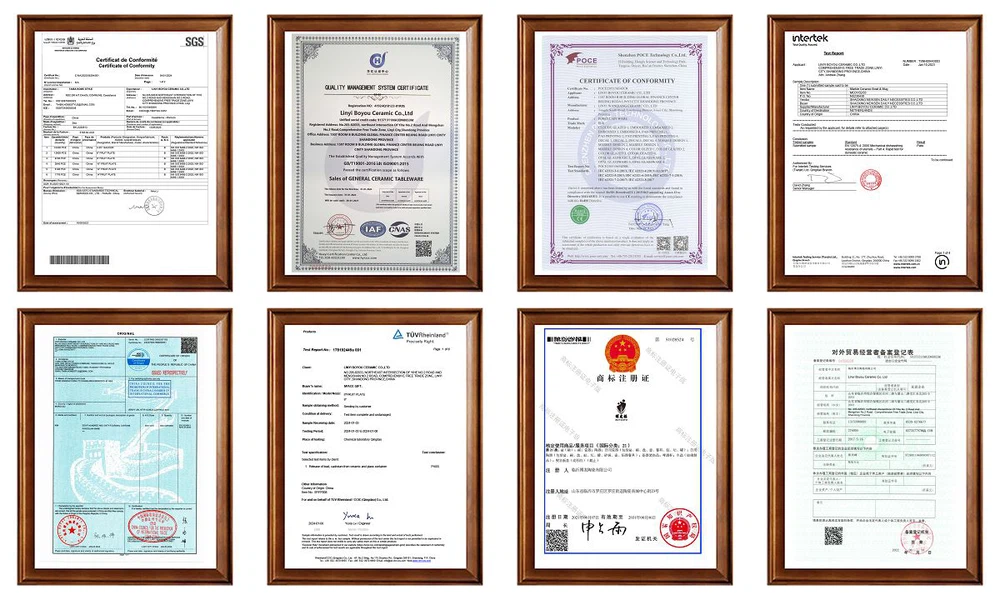
Certifications
Our Factory

Frequently Asked Questions
We're professional cup and saucer manufacturers in China, specialized in providing high quality products and service. We warmly welcome you to wholesale cup and saucer made in China here from our factory. For price consultation, contact us.
White Cup and Saucer, coffee cup and saucer, cup and saucer set